
Electronic Waste Explained: The Full Life Cycle of Modern Devices
There's something deeply satisfying about unboxing a new phone or laptop. The crisp packaging, the gleaming screen, the that-new-gadget smell. We've all been there. But here's a question most of us don't ask in that moment of excitement: where did this thing come from, and where is it going to end up?
The truth is, every electronic waste device has a story. One that starts long before it reaches the store shelf and continues long after we're done with it. Understanding that story isn't just interesting. It's important. And it's exactly why responsible e-waste management, like what we do at Hulladek, matters more than ever.
Let's walk through the full life cycle of an electronic device, from the very beginning to the very end.
Raw Materials & Manufacturing of Electronic Waste
Before your phone is a phone, it's a collection of rocks, minerals, and metals pulled from the earth. We're talking about:
Lithium for batteries is mined mostly in South America
Cobalt for rechargeable cells, largely sourced from the Democratic Republic of Congo
Rare earth elements like neodymium and dysprosium are critical for speakers and motors
Gold, silver, and copper for circuit boards and connectors
Sand for the silicon chips that power everything
Mining these materials is resource-intensive and, in many cases, environmentally damaging. Once extracted, these raw materials travel across continents to factories, often in East Asia, where they're processed, assembled, and turned into the sleek devices we know and love. A single smartphone can contain over 60 different elements from the periodic table. Think about that next time you're doom-scrolling. Hence, proper material recycling of these items is equally important.
Distribution & Purchase
After manufacturing, devices are packaged, shipped, warehoused, and eventually make their way to stores or your doorstep. The global supply chain for electronics is enormous and carbon-heavy. Air freight, container ships, delivery vans, all of it adds to the environmental footprint of your gadget before you've even switched it on. Tech waste is a concerning issue in the current times.
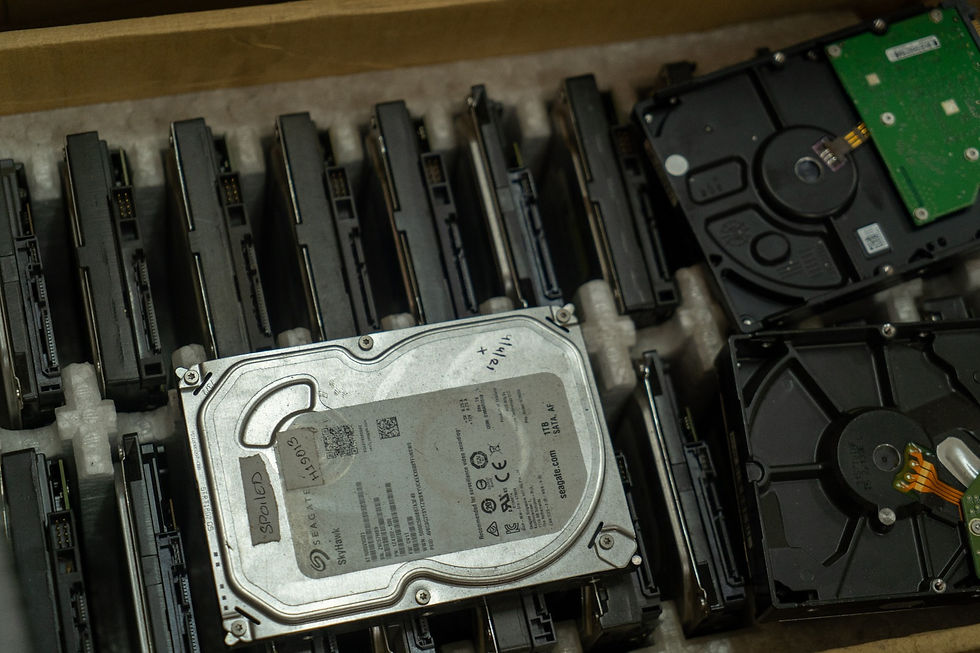
Then comes the purchase. The average person in a developed country replaces their smartphone every 2 to 3 years. Laptops last a little longer, maybe 4 to 5 years. TVs? Around 7. But the trend is clear: we're buying more electronics, more often, than any previous generation in history, and hence we should take proper measures to recycle waste.
The Using Phase
Here's the good news: the longer you use a device, the better its overall environmental impact. The use phase is when you're actually getting value out of all those resources that went into making it.
This is where you have real power. A few things that extend the life of your electronics:
Invest in a decent case and screen protector - physical damage is the #1 reason device recycling takes palce get replaced early
Keep software updated - updates often improve performance and security, reducing the urge to upgrade
Replace the battery, not the device - a phone with a degraded battery doesn't need to be thrown away; it needs a new battery
Buy refurbished - a well-refurbished device uses a fraction of the resources of a new one.
Repair before you replace - a cracked screen or a faulty charging port is fixable, not fatal
The longer a device stays in your hands and working, the less digital waste we generate collectively. Simple as that.
The End-of-Life Moment
Eventually, every device reaches the end of its useful life. Maybe it breaks beyond repair. It may be too old to run current software. Maybe you've upgraded, and the old one is just sitting in a drawer. This is the critical fork in the road. What happens next determines whether the valuable materials inside that device get a second life or end up poisoning the environment.
Unfortunately, the stats here aren't great. According to the Global E-Waste Monitor, the world generated 62 million tonnes of digital waste, and only about 22% of it was properly recycled. The rest? Landfilled, incinerated, or illegally shipped to developing countries, where informal recyclers, often without any protective gear, burn and acid-wash electronics to recover metals, releasing toxic fumes in the process.
This is the part nobody talks about during their unboxing moment.
Responsible Material Recycling
Proper e-waste recycling is the opposite of those informal dump sites. It's a careful, structured process that looks something like this:
E-waste collection - Devices are gathered through drop-off points, corporate take-back programs, or scheduled pickups (this is where services like Hulladek step in)
Data destruction - All personal data is securely wiped before anything else happens. Your information stays your information.
Sorting & dismantling - Devices are manually and mechanically broken down into their parts: batteries, screens, circuit boards, cables, and plastics.
Material recovery- Metals like gold, silver, copper, and aluminum are extracted and sent back into the supply chain. A tonne of circuit boards can contain more gold than a tonne of gold ore.
Safe disposal of hazardous materials - Things like lead, mercury, and cadmium are handled and disposed of in ways that don't end up in your groundwater

When done right, recycling a device recovers up to 95% of its valuable materials that can be used to make new electronics, reducing the need for fresh mining.
Why This Matters More Than You Think
Here's the thing: e-waste isn't just an environmental issue. It's a human rights issue, a public health issue, and especially in a country like India, where electronic consumption is growing rapidly, it's an increasingly urgent local issue too.
The good news? Changing how this story ends doesn't require a massive lifestyle overhaul. It starts with small, intentional decisions:
Don't toss old electronics in the bin; they don't belong in regular e-waste
Look for certified e-waste recycling centers in your city
Donate working devices to schools, NGOs, or refurbishers
Ask your employer what happens to old office equipment; corporate digital waste is a huge and often overlooked category
Spread the word, most people genuinely don't know that digital waste or tech waste needs special handling
The Full Circle
The life of an electronic device is a circle, not a straight line. It starts in the earth, passes through your hands, and if we do our part in e-waste recycling, it won’t end up back in the supply chain as recovered material for the next generation of devices.
At Hulladek, we believe that responsible e-waste management isn't complicated. It just needs to be convenient, trustworthy, and accessible. That's what we're building, one collected device at a time. So the next time you upgrade your phone or retire an old laptop, remember: that device still has value. Don't let it go to waste.
Ready to recycle materials responsibly? Hulladek makes it simple. Reach out to us today.


Пробовал несколько подобных онлайн игр поэтому есть с чем сравнивать. Здесь понравилось, что всё расположено логично и не приходится долго разбираться в меню. Можно быстро перейти к нужному разделу и выбрать подходящий вариант из большого ассортимента. Оформление современных слотов выглядит интересно, а классические автоматы тоже представлены. С мобильного устройства сайт работает удобно и без заметных проблем. Хороший вариант, если хочется провести свободное время за любимым развлечением
Detailed insights from a technology blog pointed to https://jeetbuzz-bd.com/app/ when discussing modern mobile engagement. The review emphasized that the app provides streamlined navigation, allowing participants to explore multiple categories quickly. By focusing on responsive performance and intuitive design, the platform demonstrates how thoughtful development can enhance the overall user experience.